
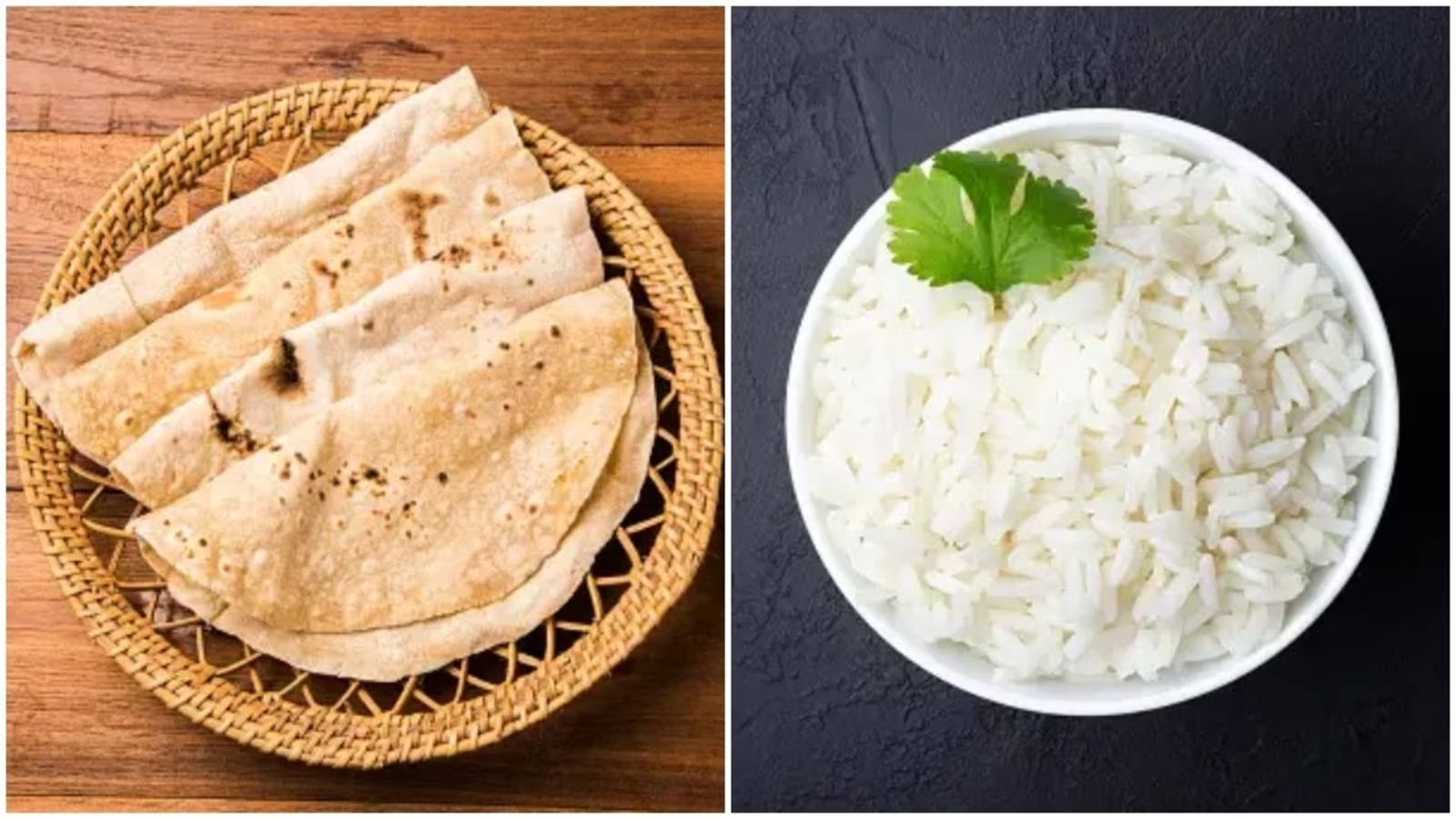
Some people avoid rice completely because they believe it causes weight gain. Others think roti is always the healthier option because it’s made from whole wheat. If you’ve ever been confused about which one deserves a place on your plate, you’re not alone.
The truth is that neither roti nor rice is automatically healthier. Both can be part of a balanced diet, and the better choice depends on your health goals, portion size, and what you eat with them.
Myth #1: Rice Always Causes Weight Gain
This is one of the biggest nutrition myths.
Rice doesn’t make you gain weight by itself. Weight gain happens when you regularly consume more calories than your body burns.
One cup of cooked white rice contains around 200 calories. That’s not unusually high compared to many everyday foods.
The real problem is often large portions, eating multiple servings, or pairing rice with fried foods, sugary drinks, or calorie-rich curries.
If you stay within your daily calorie needs, rice can easily fit into a healthy diet.
Myth #2: Roti Is Always Healthier
Many people believe replacing rice with roti is the secret to better health.
It’s not that simple.
Whole wheat roti contains more fiber than white rice, which may help you stay full for longer. However, that doesn’t automatically make it healthier.
Two or three large rotis with extra ghee or butter can provide as many calories as a bowl of rice.
At the end of the day, portion size matters more than whether you choose roti or rice.
Myth #3: You Should Never Eat Rice at Night
You’ve probably heard someone say that eating rice after sunset leads to belly fat.
There’s no scientific evidence to support this.
Your body doesn’t suddenly store rice as fat just because it’s evening.
What matters is your total calorie intake throughout the day. If your dinner fits within your energy needs, eating rice at night isn’t a problem.
Myth #4: Rice Is Bad for People with Diabetes
People with diabetes don’t necessarily need to avoid rice completely.
The key is portion control and pairing rice with foods that slow digestion.
Eating rice with dal, beans, vegetables, curd, or lean protein can help reduce blood sugar spikes compared to eating rice alone.
Some people may also benefit from choosing brown rice or other whole grains because they contain more fiber.
Roti vs Rice: Nutrition Comparison
| Nutrient | Whole Wheat Roti (1 Medium) | Cooked White Rice (1 Cup) |
|---|---|---|
| Calories | 100–120 | Around 200 |
| Carbohydrates | Moderate | Higher |
| Protein | Slightly Higher | Lower |
| Fiber | Higher | Lower |
| Fat | Very Low | Very Low |
Both foods are excellent sources of carbohydrates, which provide energy for your brain, muscles, and daily activities.
Neither one deserves to be called unhealthy.
Which Is Better for Weight Loss?
If your goal is weight loss, the answer isn’t as simple as choosing one food over the other.
You’ll lose weight by maintaining a calorie deficit, meaning you burn more calories than you consume.
Choose the option that helps you control portions and keeps you satisfied.
Some people feel fuller after eating rotis because of their fiber content. Others naturally eat smaller portions of rice and find it easier to stick to their calorie goals.
The best choice is the one you can enjoy consistently without overeating.
Which Is Better for Muscle Gain?
For muscle gain, both roti and rice can support your fitness goals.
Carbohydrates help refill muscle glycogen after workouts, giving your body energy to recover and perform well in future training sessions.
Rice is often preferred after exercise because it’s digested relatively quickly.
Roti is also a great choice, especially when combined with protein-rich foods like paneer, eggs, chicken, tofu, dal, or curd.
Your total daily protein and calorie intake matter far more than choosing between these two carbohydrates.
So, Which One Should You Choose?
Choose roti if you:
- Want slightly more fiber.
- Feel full for longer after eating wheat.
- Prefer whole wheat in your daily meals.
Choose rice if you:
- Find it easier to digest.
- Exercise regularly.
- Prefer lighter meals.
- Naturally control your portions.
There’s no need to eliminate either one unless your doctor recommends it for a medical condition.
Leave a Reply